


De uitdaging
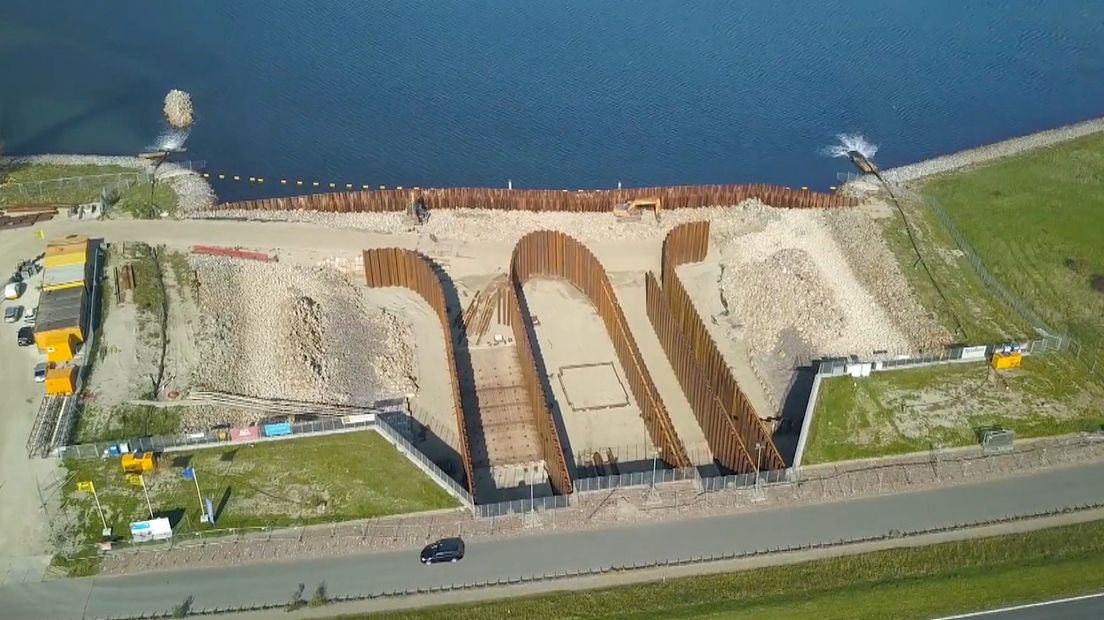
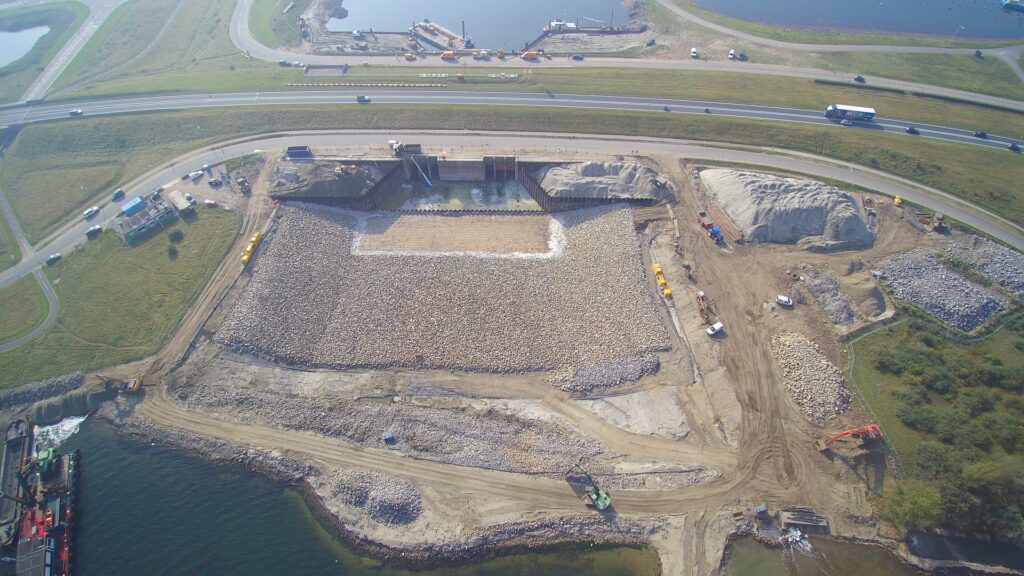
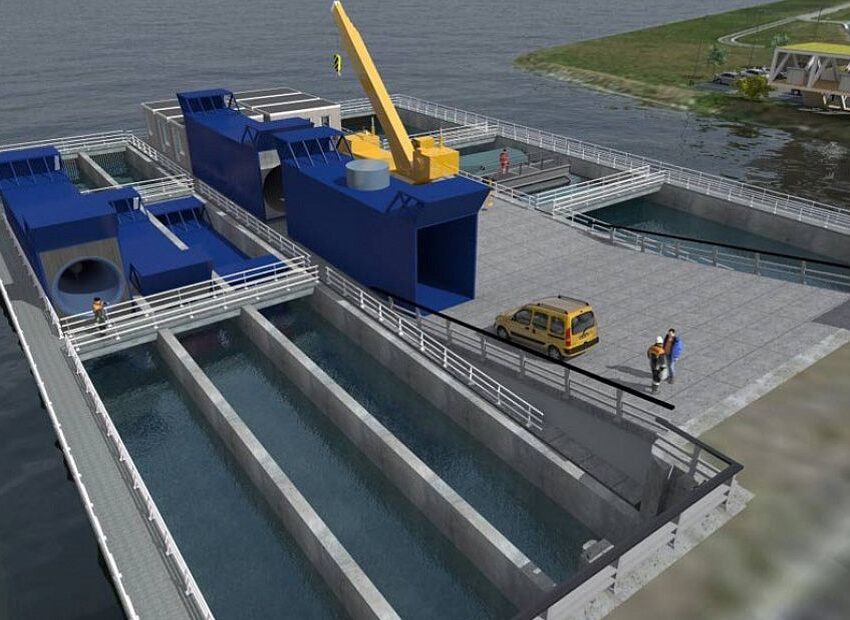
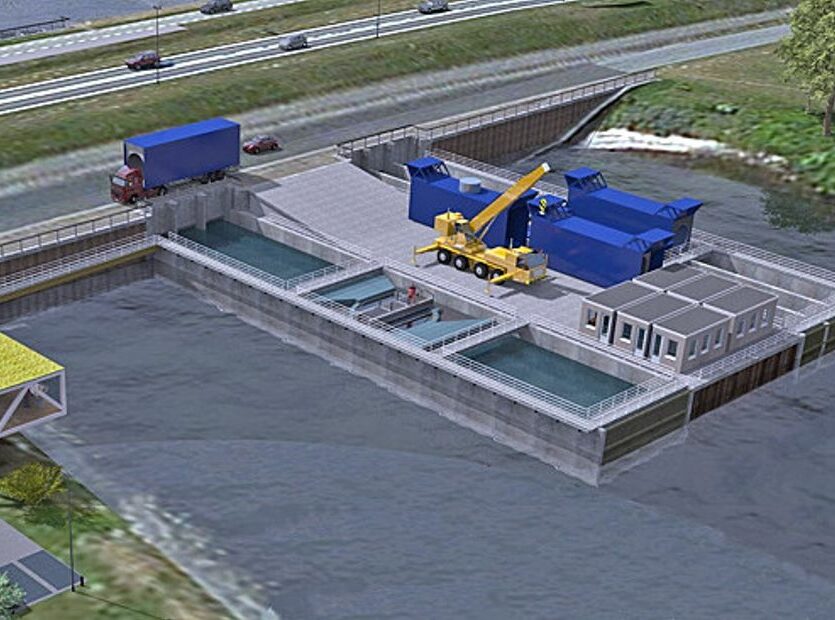
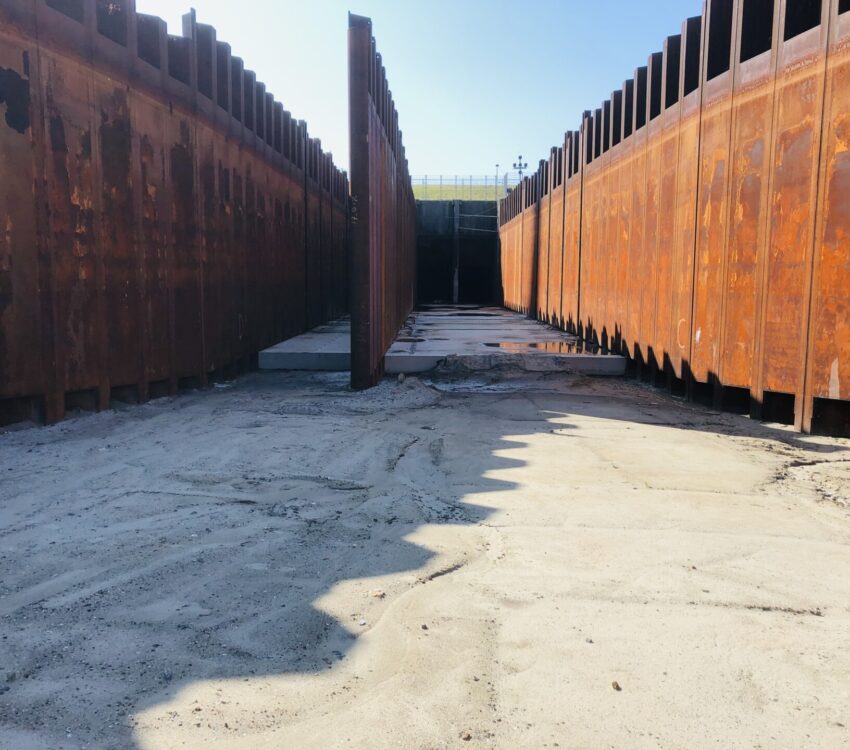
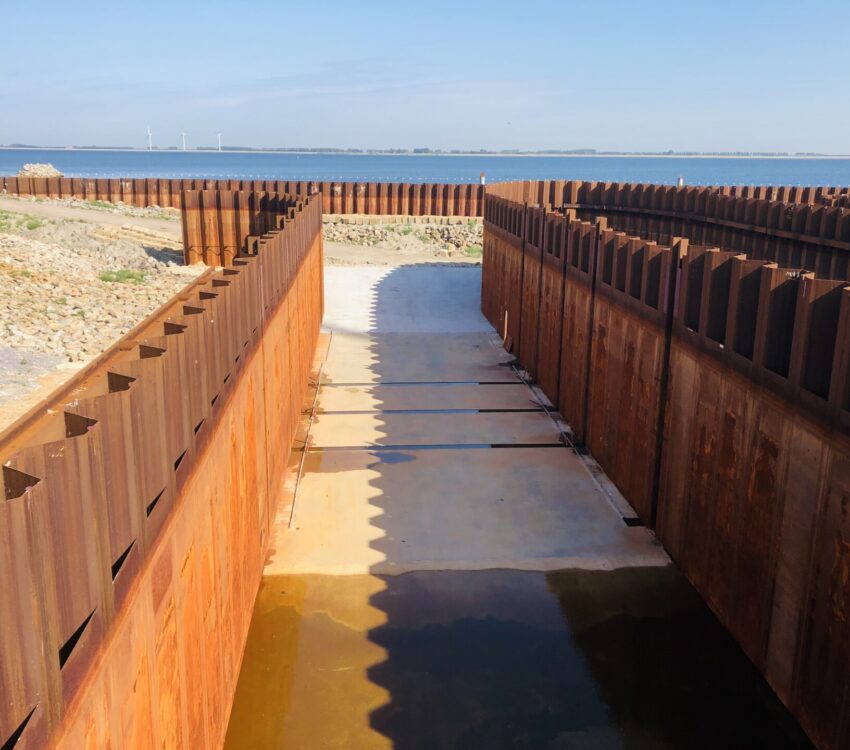
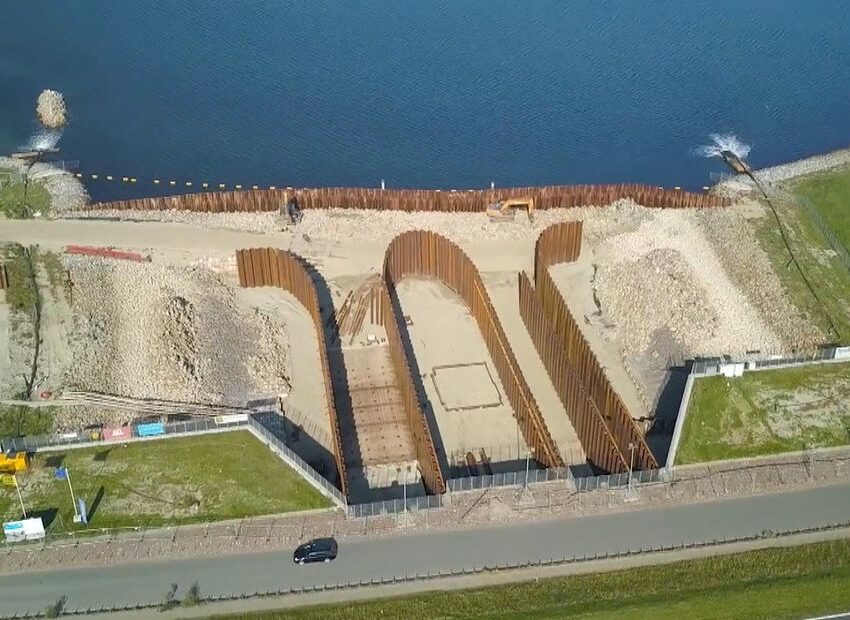
Het moest een baanbrekend project worden in de Flakkeese Spuisluis in de Grevelingendam: het Tidal Technology Center. Een centrum waar turbines op waterkracht getest konden worden om te onderzoeken hoeveel duurzame energie uit getijdenstromen opgewekt kan worden. De investering werd geschat op een slordige € 30 miljoen. Maar de bouw van de testlocatie kwam in 2020 stil te liggen nadat bleek dat de ontwikkelaar onvoldoende budget had om het project af te ronden. Na het stilvallen van de bouw ontstond een complexe technische en bestuurlijke situatie rondom de toekomst van de locatie en de constructies. Miljoenen aan subsidies dreigden verloren te gaan. Betrokken overheden bleven met een onafgerond project achter, waaronder Rijkswaterstaat, het Ministerie van Economische Zaken en Klimaat, de gemeente Schouwen-Duiveland, de provincie Zuid-Holland en de provincie Zeeland. Bovendien waren er onduidelijkheden over de technische staat en toekomstige inzetbaarheid van het gerealiseerde werk.

Tidal Technology Center
Onze activiteiten
Walhout is door de provincie Zeeland gevraagd om onafhankelijk technisch onderzoek uit te voeren naar het gedeeltelijk voltooide bouwwerk en de mogelijke kansen en vervolgstappen voor een doorontwikkeling. Daarbij hebben wij onder meer gekeken naar de constructieve staat van het bouwwerk en de haalbaarheid van behoud of aanpassing van de constructies. Tevens hebben wij de beschikbare dossiers uit het ontwerp- en realisatieproces integraal beoordeeld. Het onderzoek is met hoge urgentie uitgevoerd en binnen 14 dagen afgerond, waarna de bestuurlijke gesprekken zijn gestart. We ondersteunden de betrokken partijen met objectieve analyses en scenario’s als basis voor bestuurlijke besluitvorming en verdere planvorming rondom de locatie.
Een overzicht van onze activiteiten:
- Bureaustudie en forensische analyse dossiers
- Technische due diligence gerealiseerde bouwwerk
- Kostenanalyses, bouwfasering en conditionering
- Expert judgement over het toekomstige gebruik
- Voorstel gebiedsgerichte doorontwikkeling
- Compromis: sloop goten en behoud fundatie
- Onderhandelingen provincie en Rijkswaterstaat
Artikelen en media
- Miljoenenstrop en sloop dreigt voor testcentrum getijden in Zeeland (NOS)
- Zeeland wil getijdenenergie maar het testcentrum wordt misschien gesloopt (NRC)
- Kamervragen over getijdencentrale Grevelingendam (Omroep Zeeland)
- Gedeelte testcentrum getijdenturbines Grevelingendam wordt gesloopt (Omroep Zeeland)
- Reconstructie: bouw testcentrum voor getijdenenergie begon als blijspel maar eindigt als tragedie (PZC)