The challenge
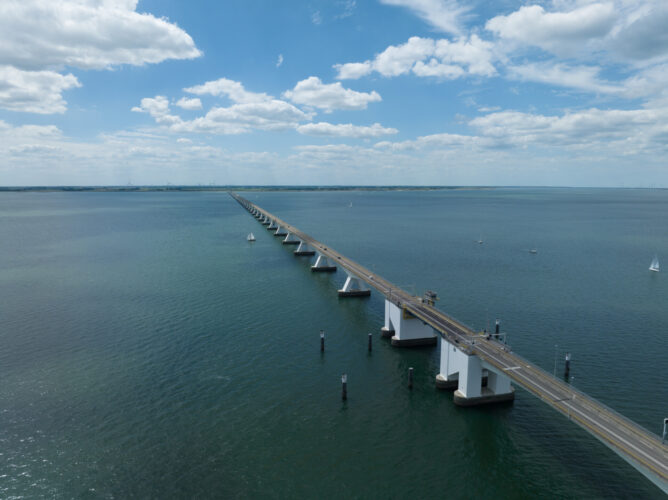
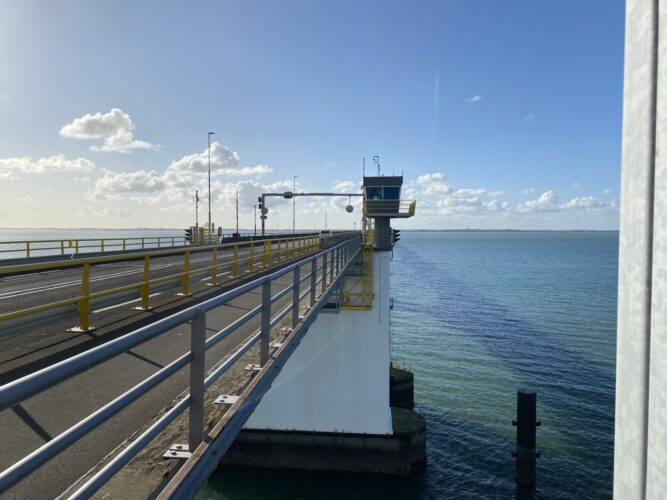
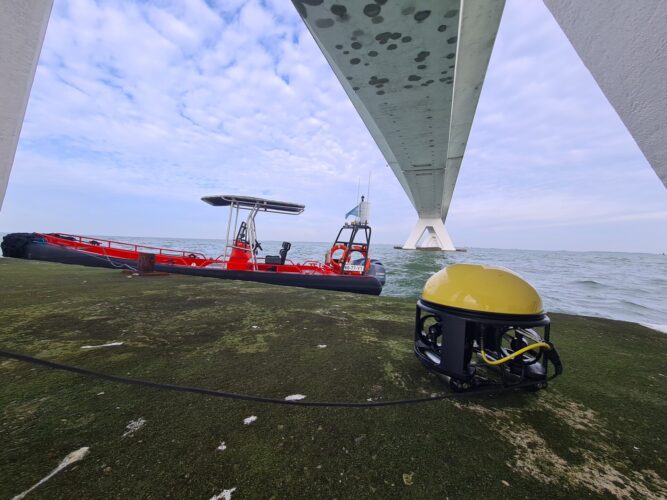
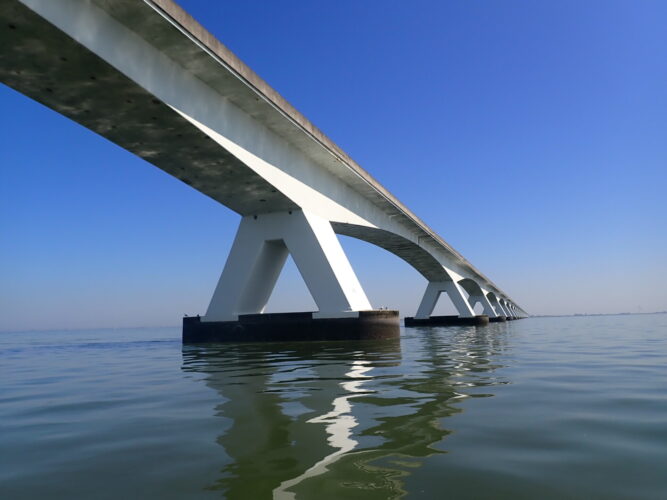
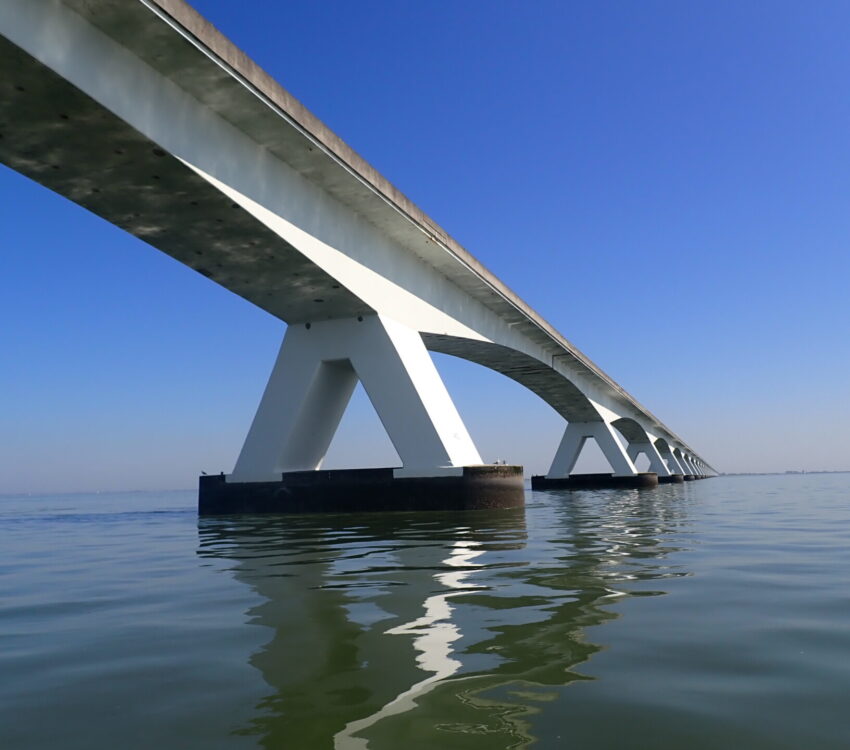
The Zeeland Bridge spans over five kilometres across the Oosterschelde. At the time of its opening in 1965, it was the longest bridge in Europe. In 2015, the bridge was designated a national monument due to its significant architectural value. The bridge consists of 54 piers with 52 spans in between and a movable bascule bridge, all functioning as one system. After decades of exposure to wind, salt water, traffic and ageing, the bridge has become a vulnerable structure. Its unique configuration makes long-term behaviour and the remaining service life difficult to predict. As the structure approaches the end of its service life and damages continue to develop, current maintenance measures are failing to prevent further deterioration. Although the Province of Zeeland has built up maintenance knowledge, it remains uncertain which measures will remain effective in the long term. The challenge lies in shifting from reactive to strategic maintenance.
A masterpiece of engineering
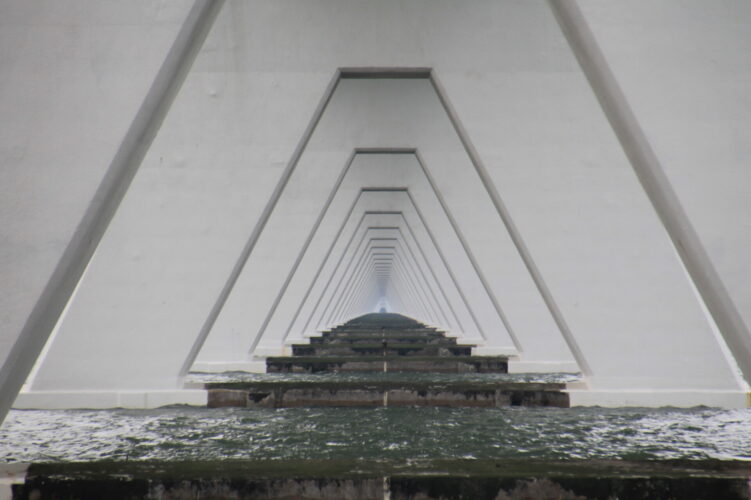
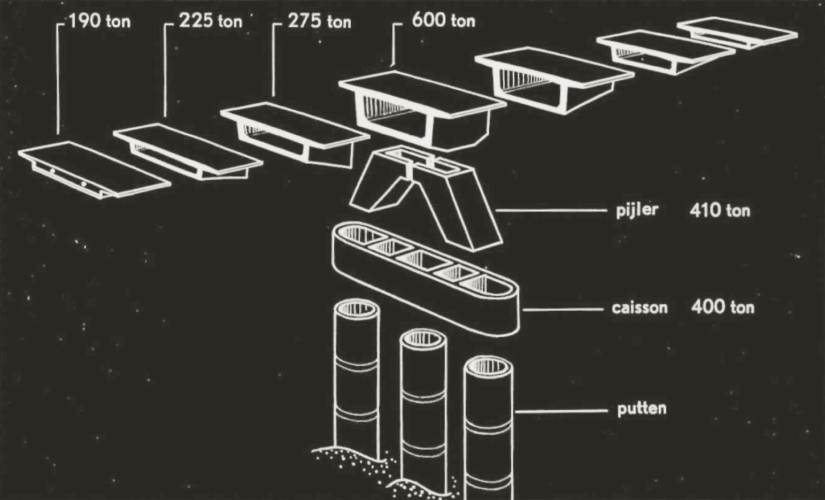
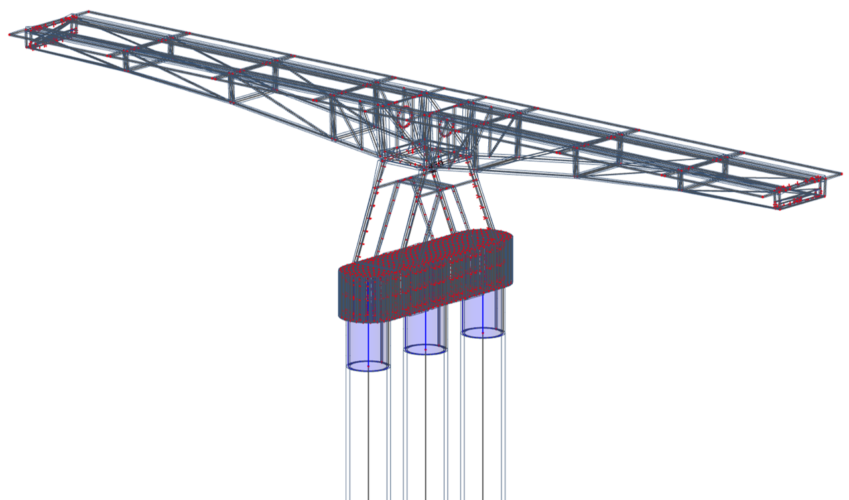
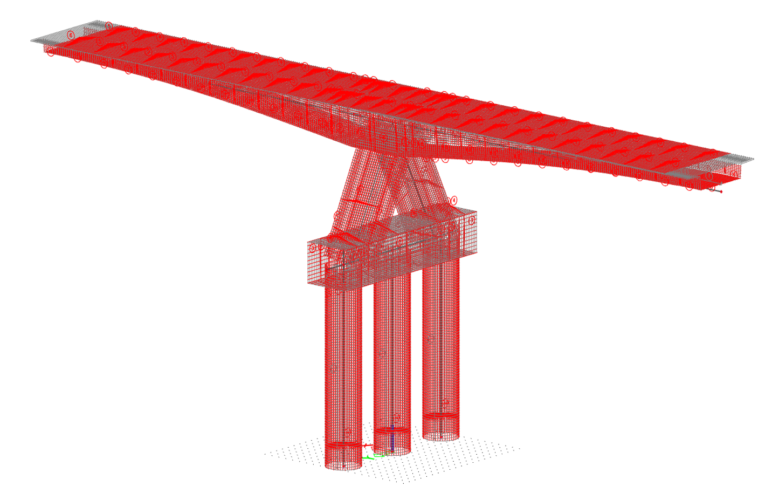
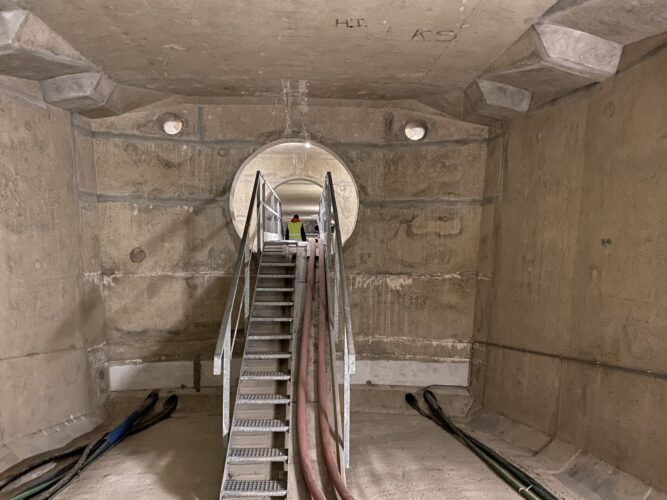
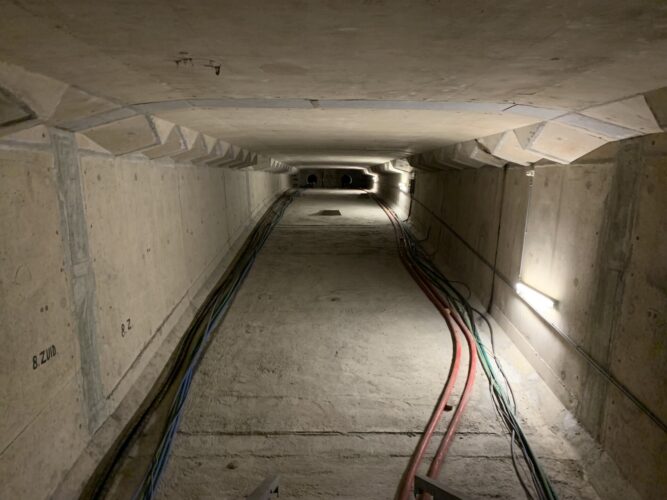
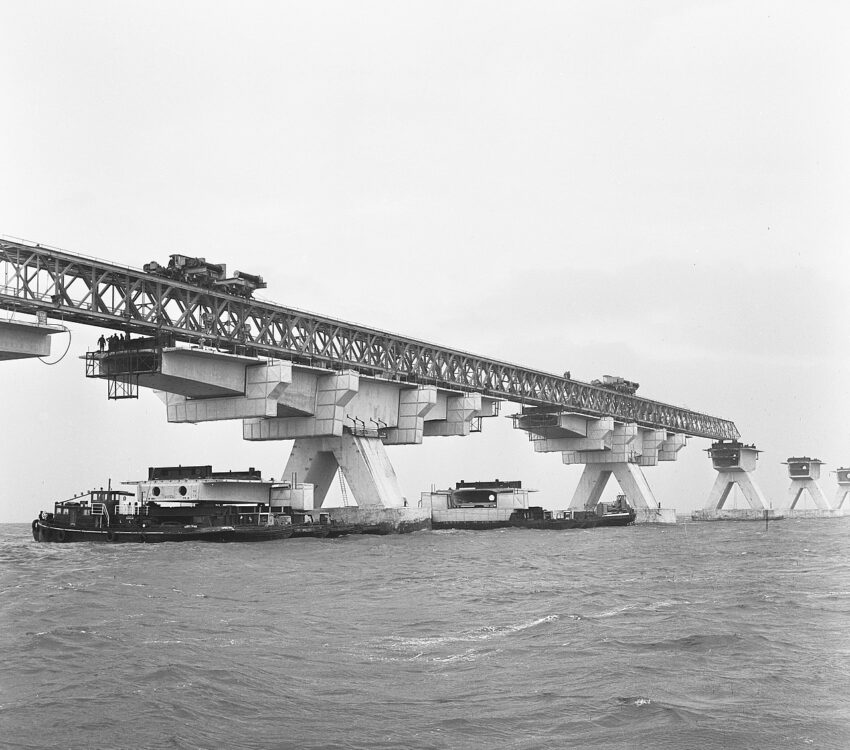
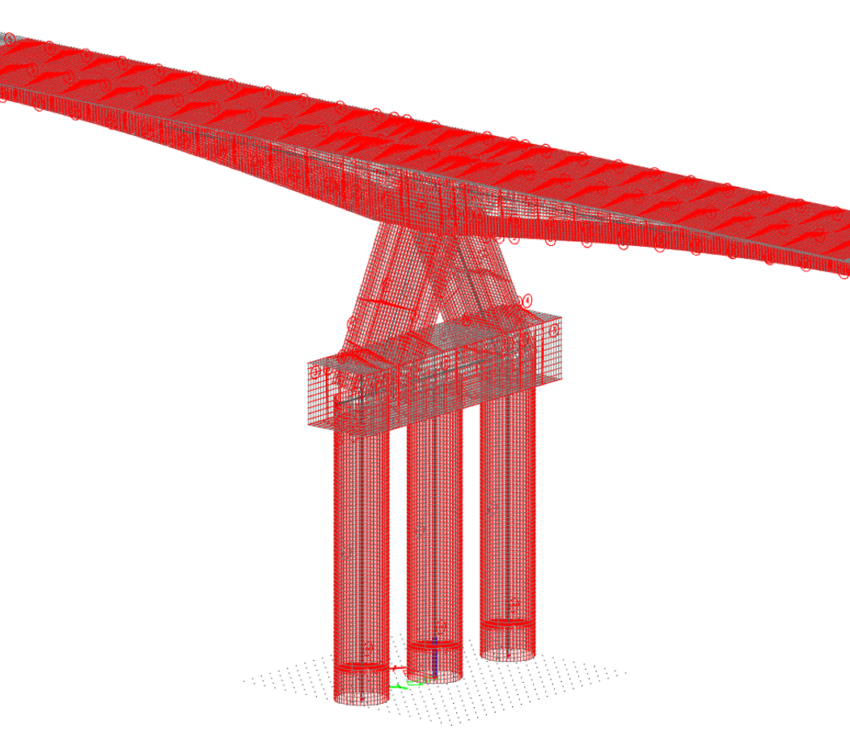
Prefabrication played a key role in the design of the Zeeland Bridge. The concrete structure consists of a sequence of 52 prestressed T shaped elements, each with a deck length of 95 metres. Each T element consists of interconnected bridge segments, an A frame pier structure and a caisson on top of three foundation piles, all connected by prestressing. Each T element, excluding the piles, has a total weight of approximately 2,790 tonnes.
The foundation piles are constructed from 6 metre long prestressed segments and vary in length from 25 to 50 metres. The differences in the length of the foundation piles depend on the water depth, the bearing capacity of the soil, and the type of connection between the T elements. The scale is of its foundation is enormous: more than 60% of the bridge remains permanently underwater. Only 40% of the bridge is visible, of which less than 1% consists of the bascule bridge.
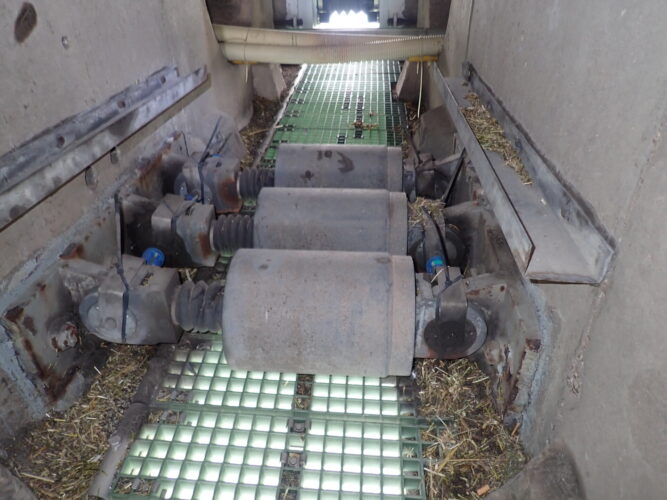
From a technical perspective, each of the 54 piers functions as an individual bridge. The T elements are connected midway between the piers by means of shear keys and shock absorbers. These connections ensure that the elements remain aligned under heavy traffic, while still allowing expansion and contraction. The exact behaviour of these flexible connections was designed manually, and their long-term effect on the prestressed structure remains unknown. It is expected that the flexibility of the T elements decreases over time due to deterioration of the prestressing steel and ongoing concrete hardening, resulting in high forces in the bridge connections. This increases the risk of failure of a bridge section.
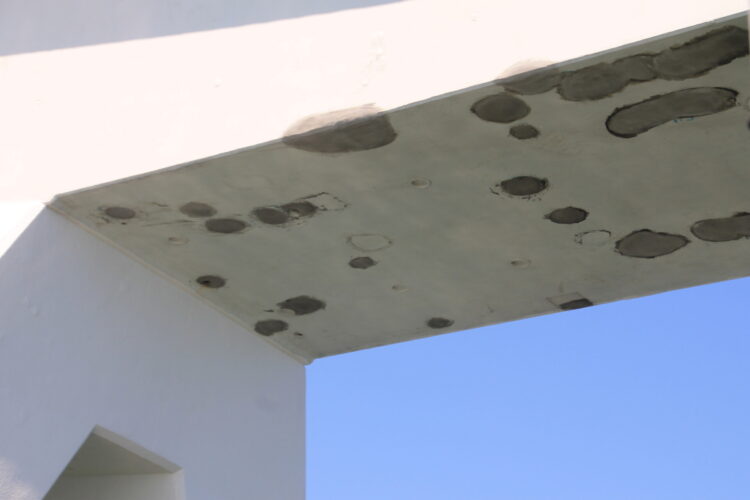
In addition, prefabrication, limited concrete cover and the saline environment have led to continuous deterioration of the structure. This increases the risk of corrosion of the prestressing reinforcement. For years, concrete coatings have been applied in an attempt to limit the problem, concealing the signs of damage.
Key characteristics
- EUR 250 million (nowadays)
- Building time: 1962-1965
- National monument since 2015
- Length total: 5,022 metres
- 54 piers: 52 spans x 95 metres
- 315,000 tonnes of concrete
- 7,400 tonnes of reinforcing steel
- 3,300 tonnes of prestressing steel
- 7,000 metres of foundation piles
Our activities
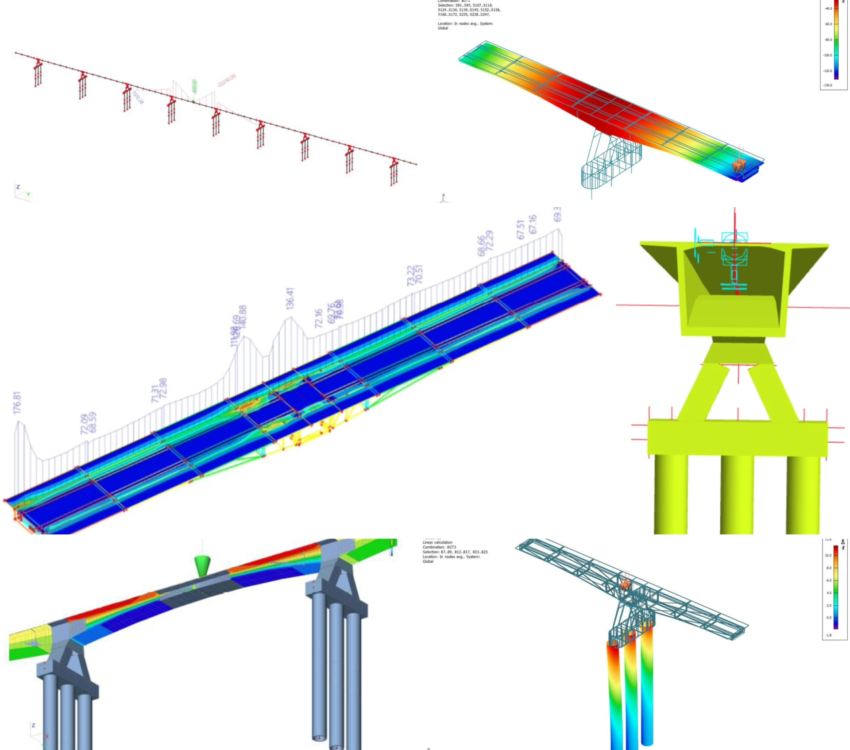
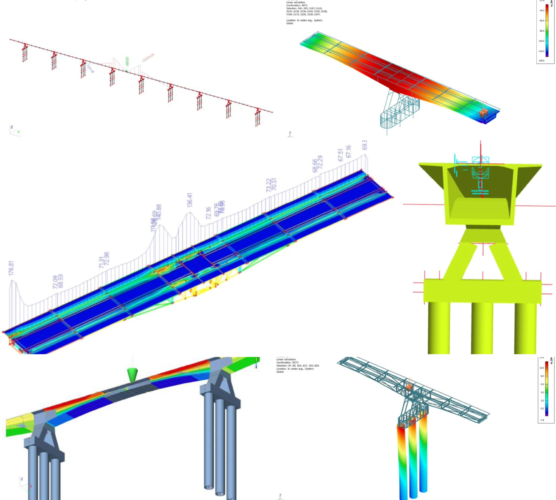
A summary of our engineering activities:
Articles and media (in Dutch)
- Rijk moet over de (Zeeland)brug komen (PZC)
- Keuze voor nieuwe Zeelandbrug: haast is geboden (PZC)
- Rijk investeert in Zeeuwse bereikbaarheid (Province of Zeeland)
- Een tunnel, brug of een dam? (Omroep Zeeland)
- Vernieuwen of vervangen? (Omroep Zeeland)
- Stop met pasta smeren op de Zeelandbrug (Nieuwsblad Transport)